











Non-stick frying pan: how to look after it so it stays like new
A non-stick frying pan stays like new for longer when you watch three things: never heat it empty on high heat, use silicone or nylon utensils and wash it once it has cooled down. High heat on an empty pan, metal utensils and cold water on a hot pan wear the coating faster than anything else.
Below you will find what wears the coating, how to cook with the pan and clean it during service, where to keep it and the signs that tell you it is time to replace it. All the pans we stock are in the professional frying pans category.
Why the coating wears
A non-stick coating, usually PTFE (Teflon) or ceramic (pans sold as “Teflon-free” are usually ceramic), is worn down by excessive heat, abrasion from metal utensils and scourers, and sudden temperature changes. The wear doesn’t show straight away. First food starts to catch in one spot, then you need more oil for the same omelette, and eventually the coating is scratched down to the metal.
Before first use
Wash the new pan with hot water, washing-up liquid and a soft sponge to remove dust and packaging residue, then dry it thoroughly. Next, wipe the surface with a little oil and remove the excess with kitchen roll.
Heat and induction hobs
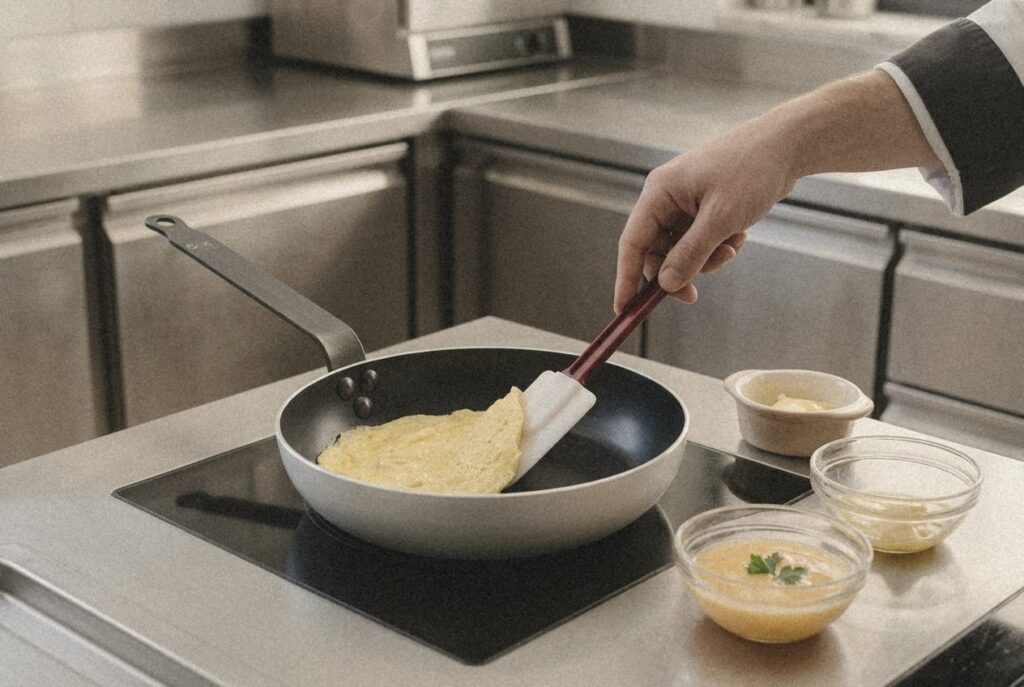
A non-stick pan works best on low to medium heat, where the coating does its job with very little oil. The most common mistake is leaving the pan empty on high heat, for example when it is heated early so it is ready when the order comes in. With no food or oil to take the heat, the surface heats up very quickly, and PTFE (Teflon) coatings start to break down above roughly 260 °C, according to the BBC Good Food guide.
Induction hobs need even more care, because they heat the pan in seconds. Preheat on medium power and turn it up only once the oil or the food is in. Choose a pan whose base matches the size of the cooking zone, so the heat spreads evenly and the centre doesn’t run hotter. On a gas hob, the flame should never climb up the sides of the pan.
Avoid cooking sprays as well: they leave a thin film that burns onto the coating and, over time, makes the pan stick. A little oil or butter is enough.
Utensils that won’t scratch
A metal spatula or fork scratches the coating the very first time, and every scratch is a point where the wear spreads. On non-stick pans, use silicone or polyamide (nylon) utensils and never cut food in the pan.
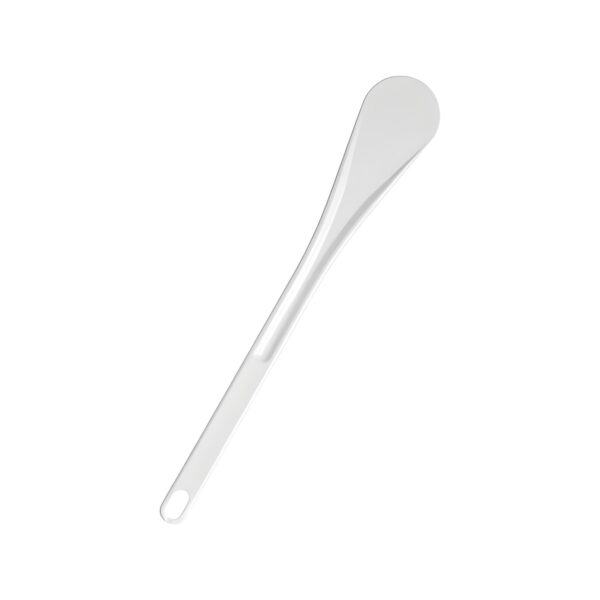
- Silicone: flexible, reaches into the corners and scrapes up eggs and sauces cleanly. The TEMNO flexible silicone spatula comes in 25.5 and 40.5 cm.
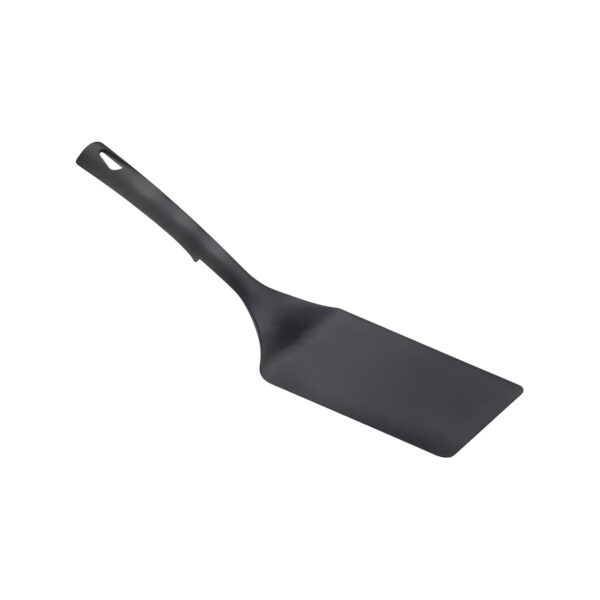
- Polyamide (nylon): stiffer, for turning omelettes, crêpes and fish fillets. For example the TEMNO Exoglass spatula and the Comas 29 cm nylon turner.
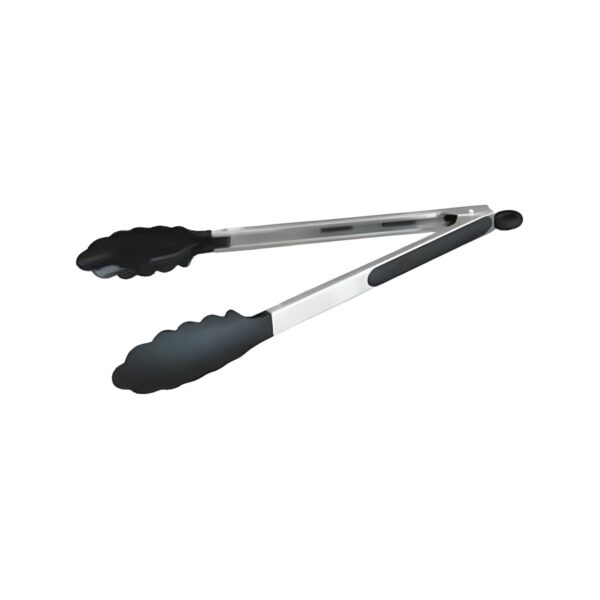
For turning pieces of meat or vegetables, the TEMNO tongs with silicone tips grip firmly without any metal touching the coating.
FOR NON-STICK COOKWARE
Spatulas and tongs that won’t scratch

In stock

In stock
In stock

In stock
Cleaning and the dishwasher
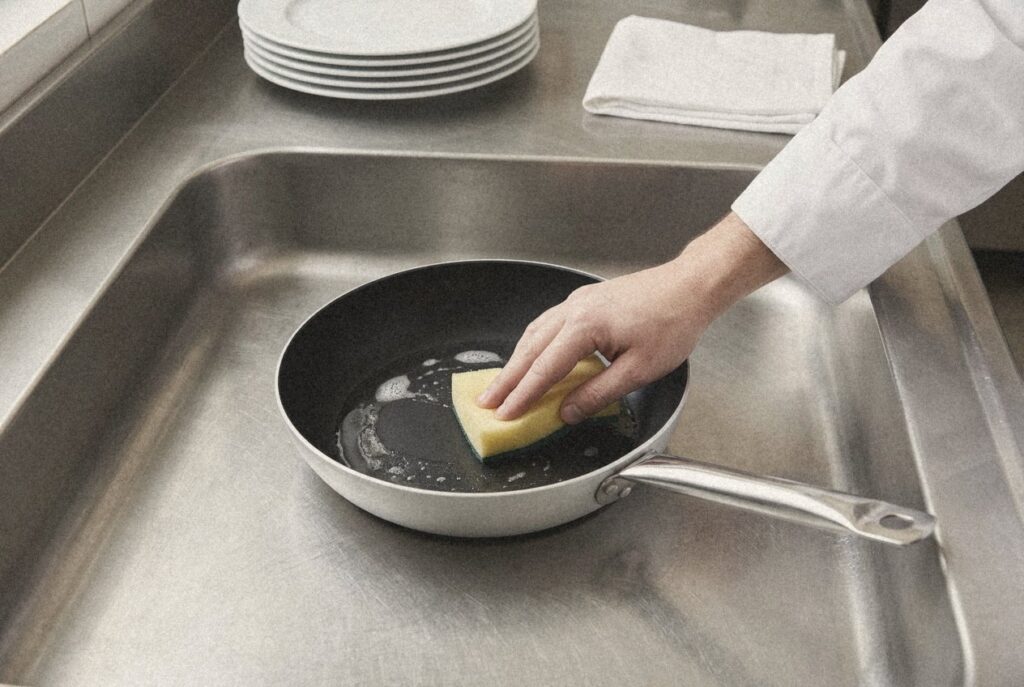
Let the pan cool down before it goes into water. Cold water on a hot pan is a thermal shock that warps the base over time, and a warped pan no longer sits flat on the hob, especially on induction. During service, when there is no time to wait, between orders of the same dish you can wipe out food residue and oil with disposable kitchen roll, as long as the pan stays clean. When you switch to a different dish, and especially when the previous one contained an allergen (fish, eggs, dairy), wash the pan before it goes back on the heat.
Hot water, washing-up liquid and a soft sponge are all you need. If food has stuck, leave the pan to soak for a few minutes in hot soapy water and the residue comes off without scrubbing. Wire wool, metal scourers and abrasive powders should never be used on non-stick.
TEMNO non-stick pans are dishwasher safe, so at the peak of service they can go through the dishwasher with the rest of the pots and pans and nobody has to wash them by hand. Whenever time allows, hand washing is gentler on the coating, because dishwasher detergents are stronger than washing-up liquid. Either way, dry the pan before putting it away.
Where to keep your pans
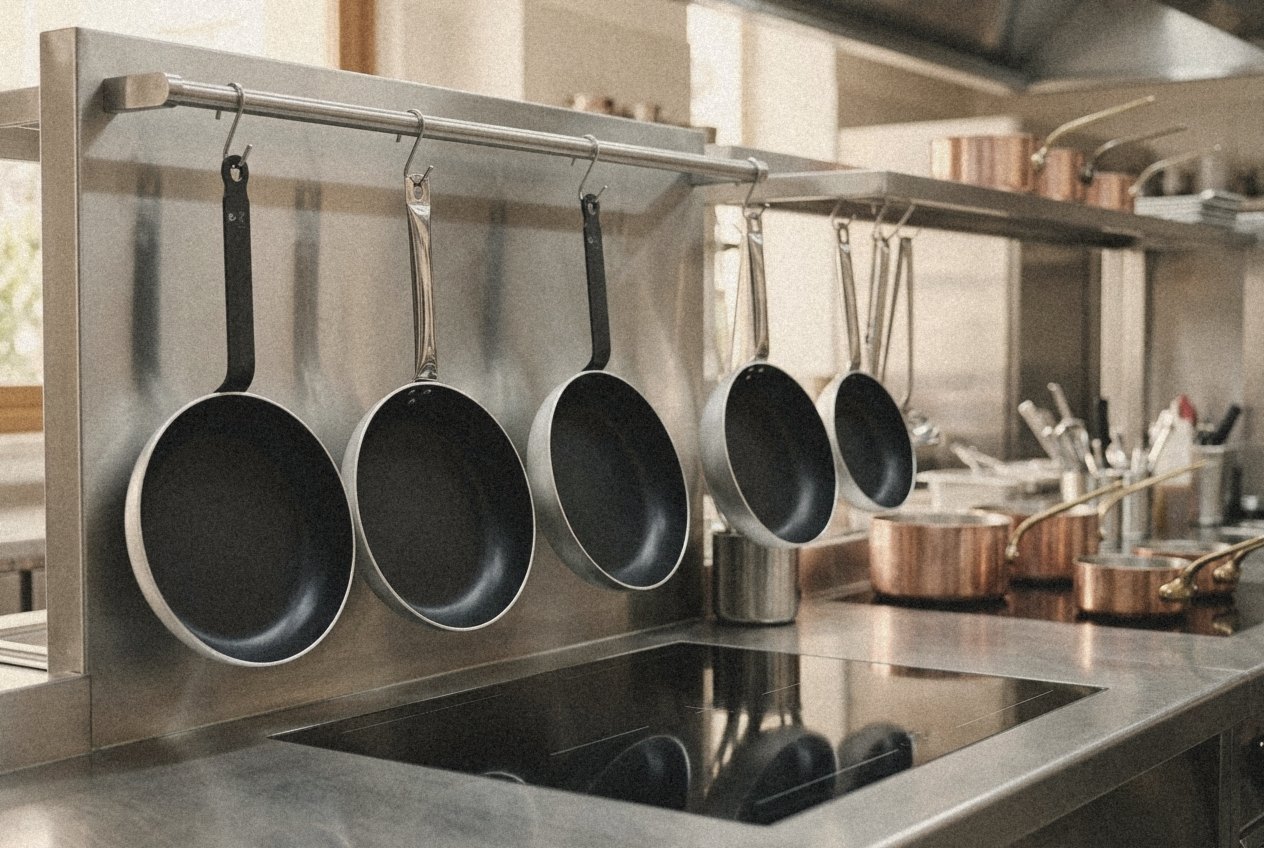
When pans are stacked inside one another, the base of the top pan scuffs the coating of the one below. If the kitchen has room, hang them by the handle on a rail above the hob, where they are also quicker to grab. If they have to be stacked, put a clean, dry cloth or a sheet of kitchen roll between them.
Which pan for which job
The best way to make a non-stick pan last is not to use it for jobs it wasn’t made for. Eggs, omelettes, crêpes, fish and anything that sticks easily call for non-stick. For high-heat sautéing and for meat that needs a good sear, the right tool is stainless steel, which handles high temperatures and metal utensils.
| Pan | Best for | Can take | Watch out for |
|---|---|---|---|
| Non-stick | eggs, omelettes, crêpes, fish, cooking with little oil | quick cleaning, little oil | high heat with no food, metal utensils, wire wool |
| Stainless steel 18/10 | sautéing, searing meat, pan sauces | high heat, metal utensils, tough scourers | needs preheating and oil so food doesn’t stick |
| Cast iron | high-heat cooking, serving in the pan | very high heat | heavy, must be dried and oiled so it doesn’t rust |
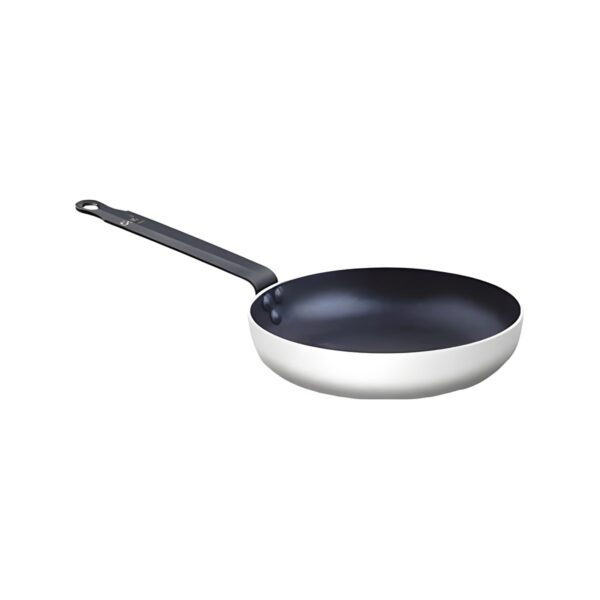
If you serve brunch, keep one pan just for eggs, so it never goes on the high heat the other dishes need. TEMNO, our own brand, makes non-stick pans in sizes from the 15 cm mini for a single egg up to 40 cm, so every job has its own pan. All of them are induction-ready, with a 3.5 mm base; a thick base is less likely to warp than a thin one. The FPIH range has an iron handle and the FPSS range a stainless steel one. For stainless steel, TEMNO has 18/10 frying pans in 24 and 26 cm.
POPULAR PRODUCTS
TEMNO non-stick frying pans
In stock

In stock

In stock

In stock
When to replace the pan
No non-stick pan lasts forever, and in a professional kitchen, where the same pan goes from the hob to the sink many times a shift, the coating wears much faster than at home. Replace the pan when you see any of the following:
- food sticks across the whole surface, even with oil and the right heat;
- the coating is scratched down to the metal or flaking;
- the base has warped and the pan no longer sits flat on the hob, or the induction hob doesn’t heat it evenly.
If the pan you are replacing is from the TEMNO range, you get exactly the same size and the section runs as before. TEMNO non-stick frying pans start from €11.01 each.
FAQ
Can non-stick pans go in the dishwasher?
It depends on the manufacturer. TEMNO non-stick pans are dishwasher safe. Whenever there is time, hand washing with hot water and a soft sponge is gentler on the coating.
Why is my non-stick pan sticking?
Usually because the coating has been worn by high heat, metal utensils or wire wool. A layer of burnt oil or cooking spray may also have built up on it; a good wash with hot water and washing-up liquid removes it. If it still sticks across the whole surface after washing, it is time to replace it.
Is a scratched non-stick pan safe to use?
According to the BBC Good Food guide, PTFE is considered safe at normal cooking temperatures, while overheating and harsh cleaners wear the coating. A pan scratched down to the metal or with a flaking coating has lost its non-stick properties and should be replaced.
How long does a non-stick pan last?
It depends on how hard it works and how you look after it. Rather than going by a date, look for the signs: food sticking everywhere, scratches down to the metal or a warped base.
What spatula should I use on a non-stick pan?
A silicone or polyamide (nylon) spatula. Metal spatulas, forks and knives scratch the coating.
Which non-stick pan for eggs, omelettes and crêpes?
For a single fried egg, the TEMNO 15 cm mini is enough. A 20 to 24 cm pan suits a single-portion omelette, and for larger quantities move up to 26 or 28 cm. For crêpes you need a low-sided pan the size of the crêpe you serve.
Where can I see the pans in Thessaloniki?
At the Costos showroom in Thessaloniki you can see the pans we have in stock and handle them before you buy.
Free equipment advice from Costos
The Costos equipment adviser can help you choose the pans and sizes your section needs, based on your menu and your hob. If you are fitting out a whole kitchen, see our guide to restaurant kitchen equipment.
STORE AND EQUIPMENT ADVICE
Costos Cash & Carry
Saturday 09:00–17:00

 Colorful Glasses
 Bormioli
 Vicrila
 Luigi Bormioli
 Pasabahce
 Nude
 Rona
 Crystal Bohemia
 Onis
 Yuk
 Waf


 Cups/Mugs
 Cast Iron Cookware
 Stainless Steel Serving Utensils

 Cooling/Heating Solutions

 Knives/Tools TEMNO
 Global Knives
 Victorinox Knives/Tools
 Pots/Pans Household
 Sirman Italy Appliances
 Scales

 Housekeeping Trolleys

 Hotel Amenities/Slippers

 Floor Cleaning
