







































































Kitchen knives: what every professional kitchen needs
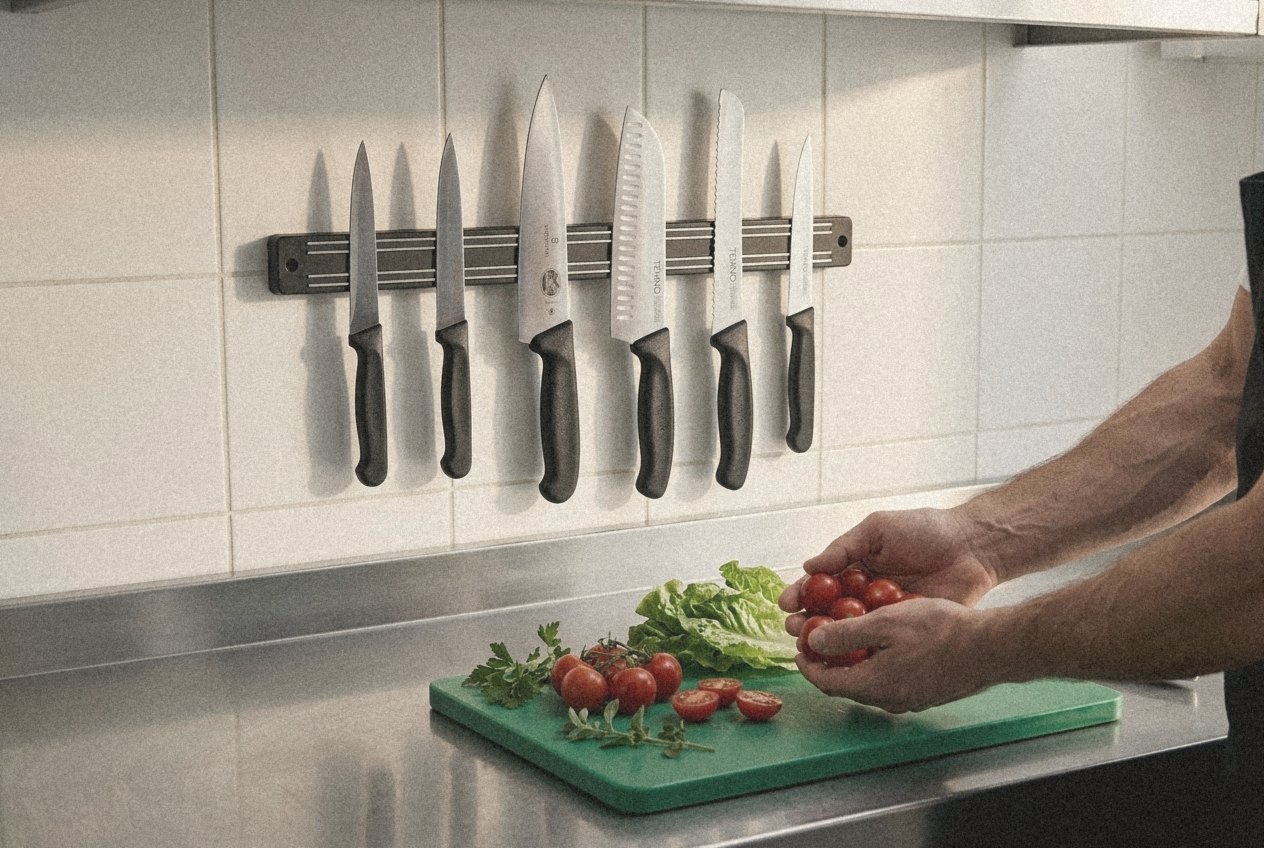
A professional kitchen runs on a few well-chosen knives: a chef’s knife for most cuts, a santoku or nakiri for vegetables, two or three small knives for peeling and for tomatoes, a serrated bread knife, a filleting or boning knife and, if you work with meat on the bone, a cleaver. Add a honing steel or sharpener to keep the edge sharp, and a fixed storage spot to protect it between shifts.
Below you will find each knife in turn: what job it does, what to look for and what it costs at e-costos.gr. Our store stocks five brands from three different knife-making traditions. Swiss Victorinox, with its non-slip Fibrox handle, stands up to a station that works all day, and can go in the dishwasher. Japanese Kai and Global use harder steel and a thinner edge for precision cutting, while Turkish Pirge covers butchery, from long butcher’s knives to cleavers. TEMNO, our own brand, is the budget option for everyday prep.
Before you buy
Your menu writes the list. In a grill house where meat is portioned all day, butcher’s knives and a cleaver are a given. A café serving salads and sandwiches gets by with a chef’s knife, a tomato knife and a bread knife, while in a fish taverna the filleting knife never leaves the board.
The second factor is how many cooks work at the same time. Every station needs its own chef’s knife and a small knife, so that nobody is waiting for someone else’s knife during service.
Finally, hold a knife before you buy it. Weight, balance and handle feel vary noticeably from brand to brand, and a knife you hold eight hours a day has to suit your hand. At our showroom in Thessaloniki you can see them all up close and try them in your hand.
The knives you need
Chef’s knife
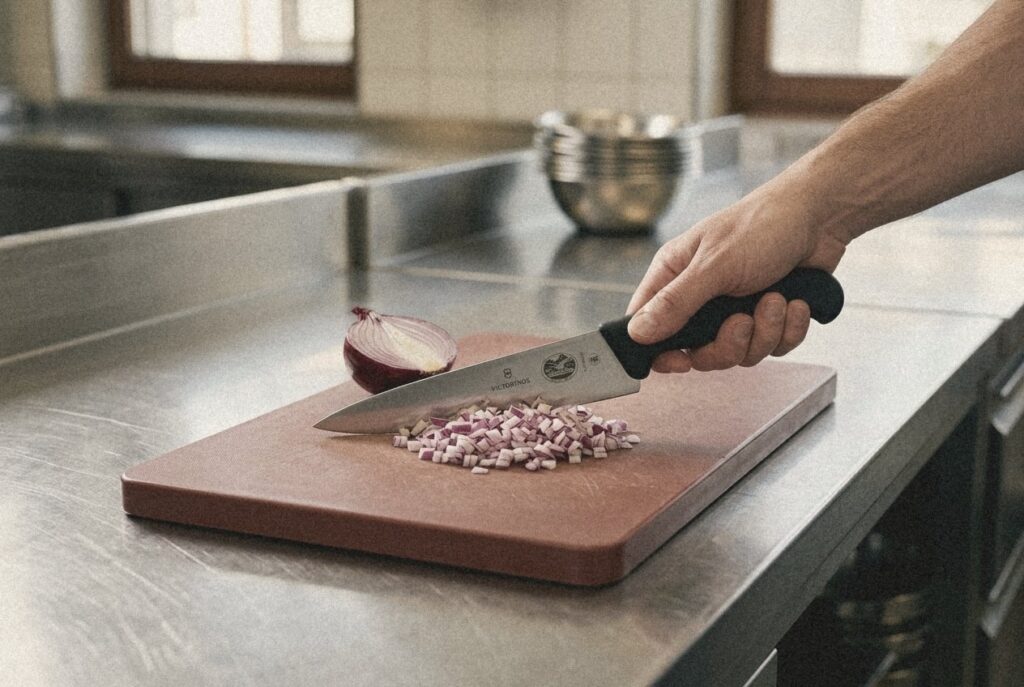
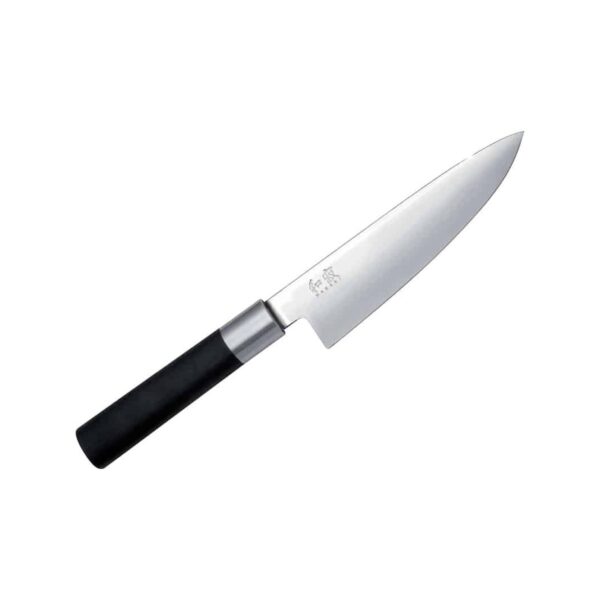
From chopping onions and herbs to slicing meat and prepping the day’s vegetables, the chef’s knife is the one that stays on the board all shift. The wide heel leaves room for your knuckles, and the curve towards the tip lets you chop fast with a rocking motion, the tip staying in contact with the chopping board.
In professional kitchens the most common length is 20 to 23 cm, enough for a whole cabbage or a large joint of meat. At 15 to 19 cm the knife is easier to handle for smaller hands and cramped sections.
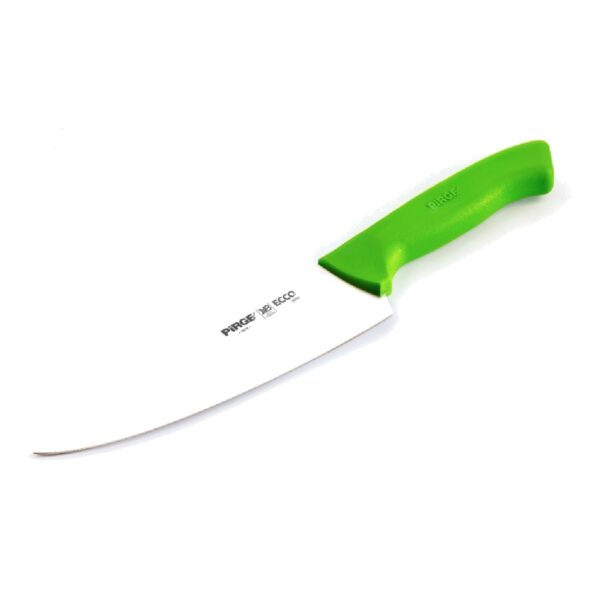
At e-costos.gr chef’s knives range from €8.49 to €220.55 + VAT. For everyday work, the TEMNO 23 cm chef’s knife costs €7.99 + VAT; if you prefer Swiss-made, the Victorinox 19 cm with its non-slip, dishwasher-safe Fibrox handle costs €26.60 + VAT.
POPULAR PRODUCTS
Chef’s knives

In stock
In stock


In stock
Santoku and nakiri: the Japanese shapes
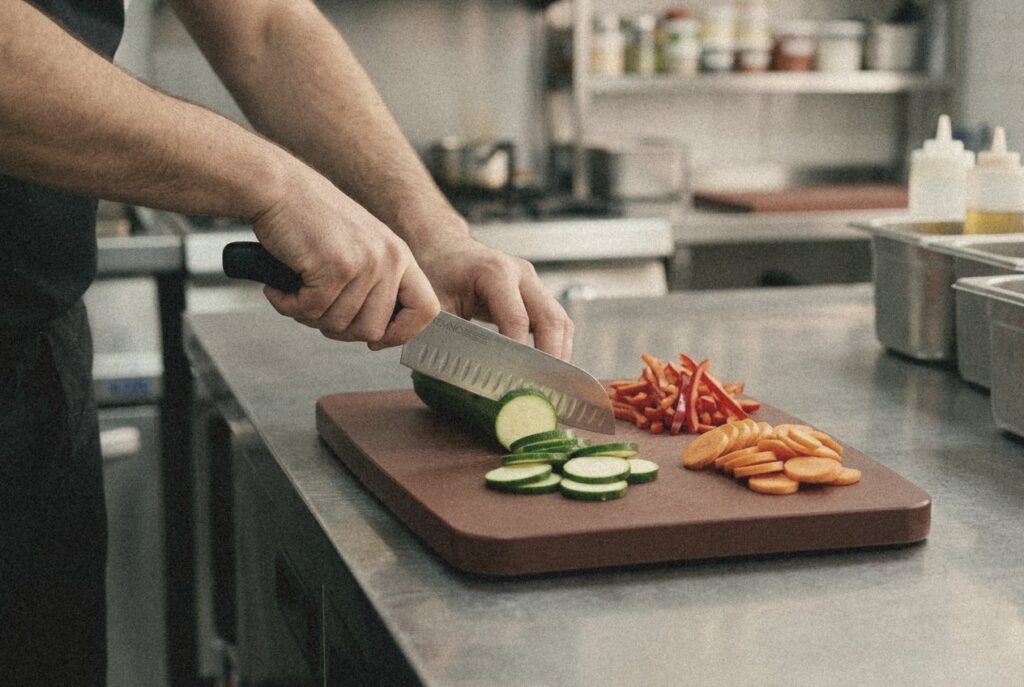
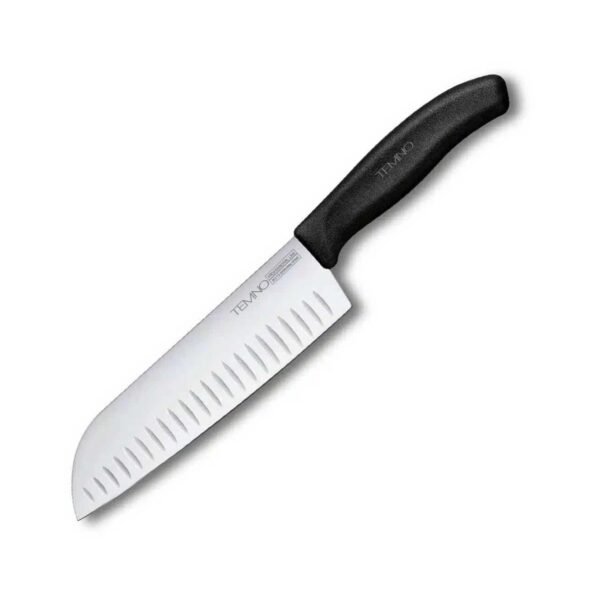
In vegetable-heavy kitchens, the santoku does the job of a chef’s knife with a shorter, flatter blade, usually 17 to 18 cm, that cuts with a clean downward and forward push rather than a rocking motion. Many models have a hollow (Granton) edge, scallops along the side of the blade that stop slices from sticking to it.
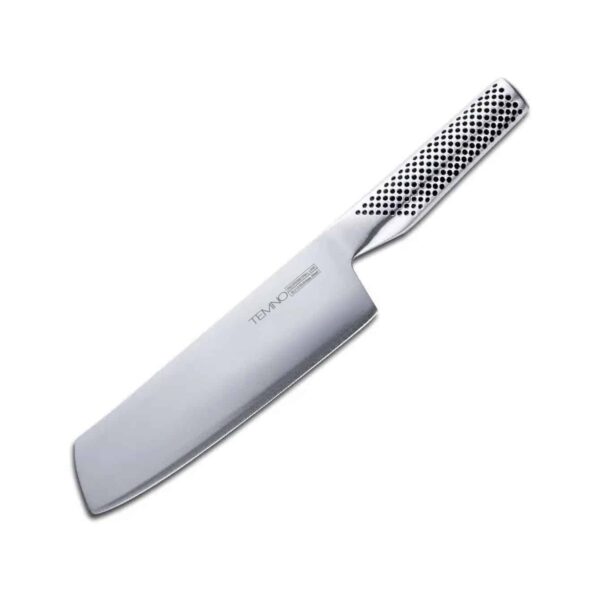
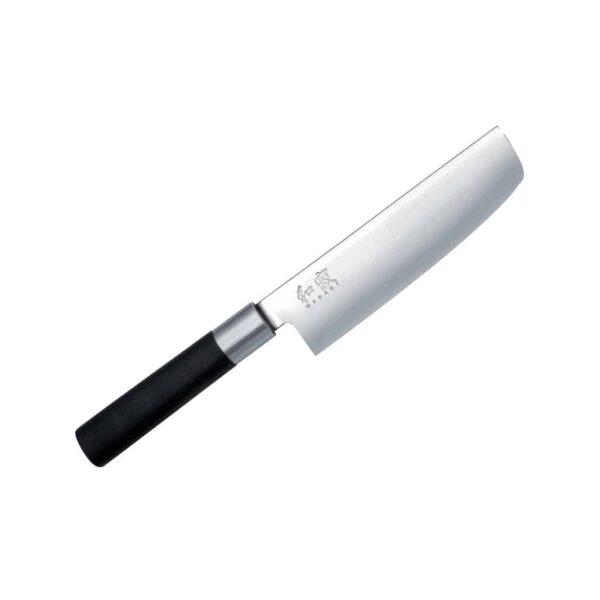
The nakiri, with its rectangular blade, cuts thin, straight slices through any vegetable and is the knife of choice on stations that prep salad in volume.
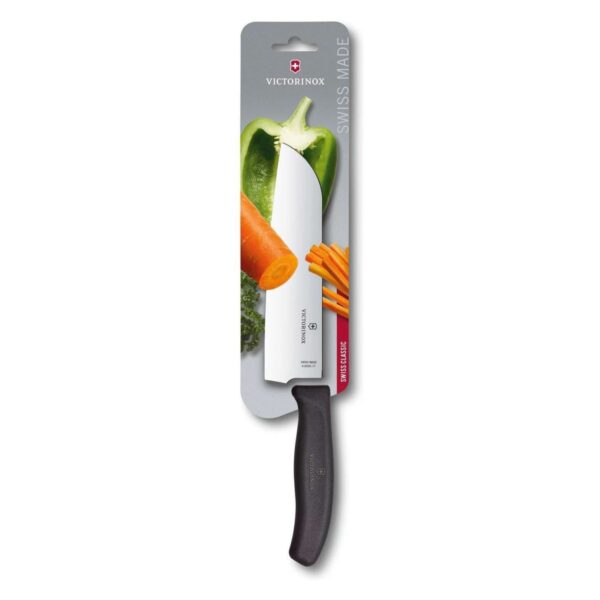
At e-costos.gr santoku and nakiri knives cost from €7.99 to €208.78 + VAT. The TEMNO 17 cm santoku, one of the best-selling knives in our store, costs €7.99 + VAT.
POPULAR PRODUCTS
Santoku & nakiri
In stock

In stock
In stock
In stock
Small knives: paring, tomato, utility
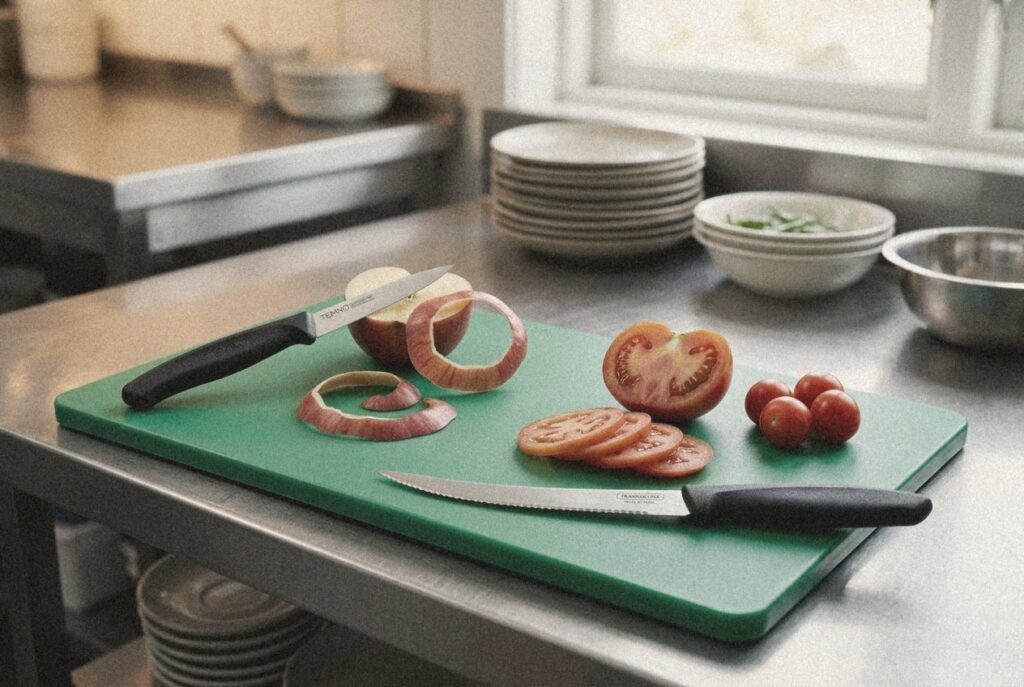
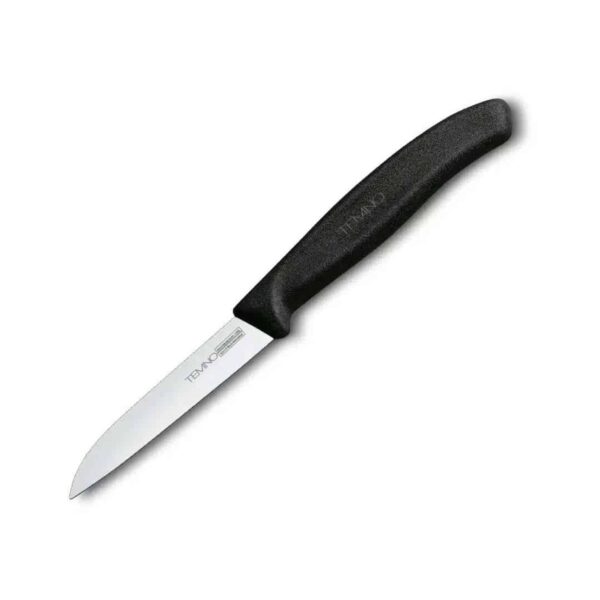
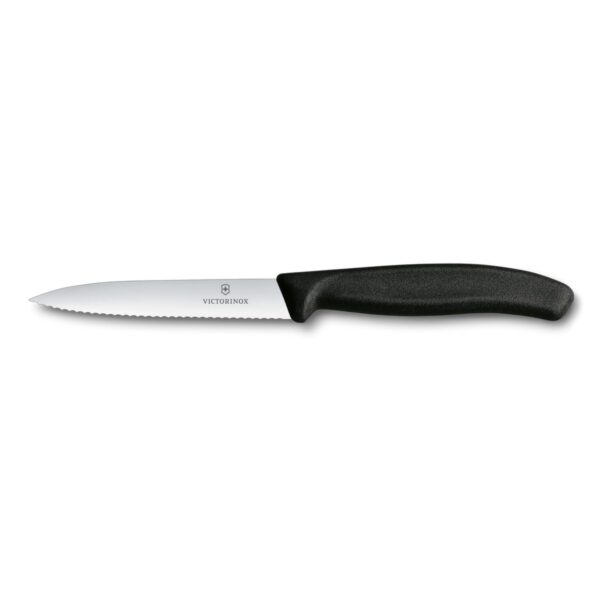
For precision jobs such as peeling, trimming and garnishes, the long blade of a chef’s knife is awkward; this is where small knives come in. They wear out and get replaced more often than the rest, so it pays to keep a few spares in the kitchen.
- Paring knife, 6 to 10 cm. For fruit, vegetables and fine garnish work.
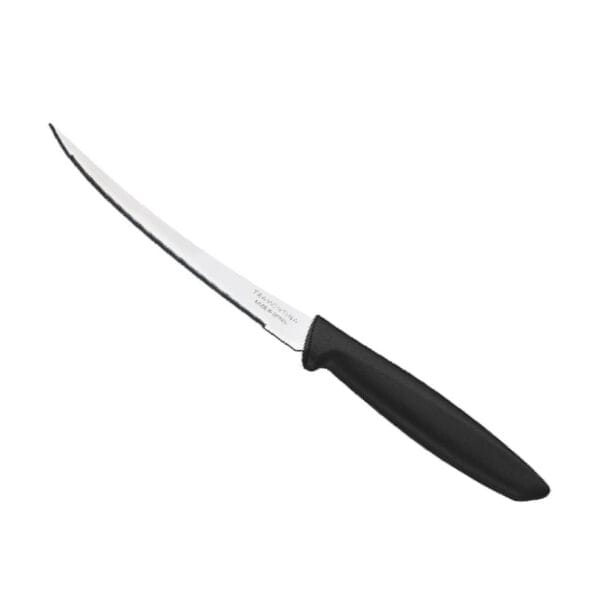
- Tomato or serrated knife, 11 to 13 cm. The fine teeth cut through tomato and lemon skin without crushing the flesh.
- Utility knife, around 12 cm. Between a paring knife and a chef’s knife, for cheese, cured meats and sandwiches.
They cost from €1.87 to €81.44 + VAT, with TEMNO’s small knives and the Victorinox Swiss Classic range the most popular choices in our store.
POPULAR PRODUCTS
Small knives
In stock
In stock

In stock
In stock
Bread, filleting and boning knives
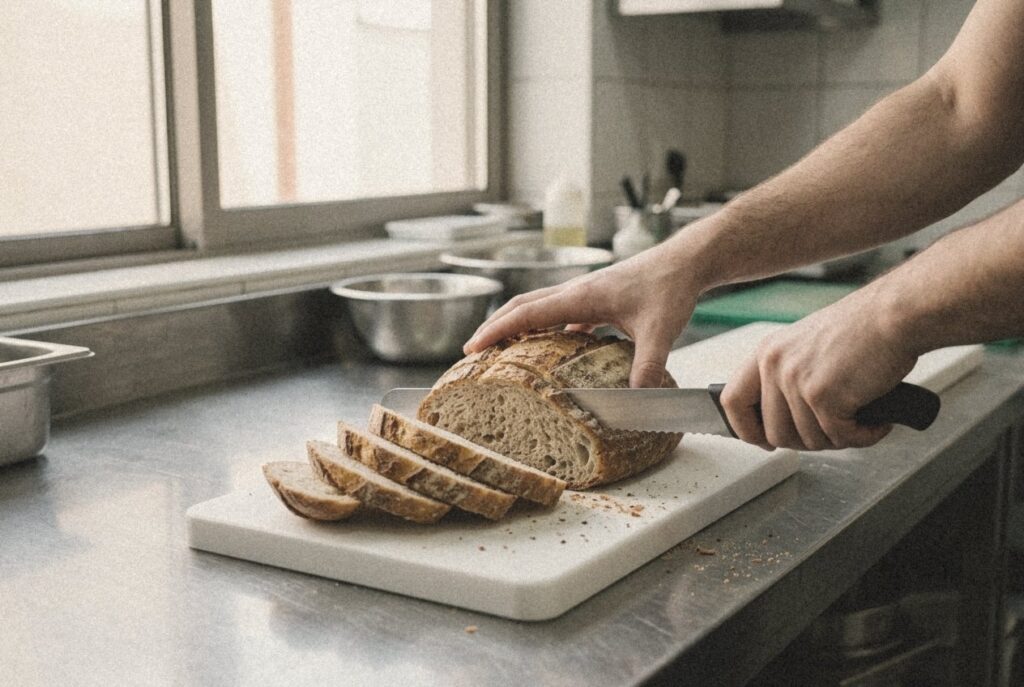
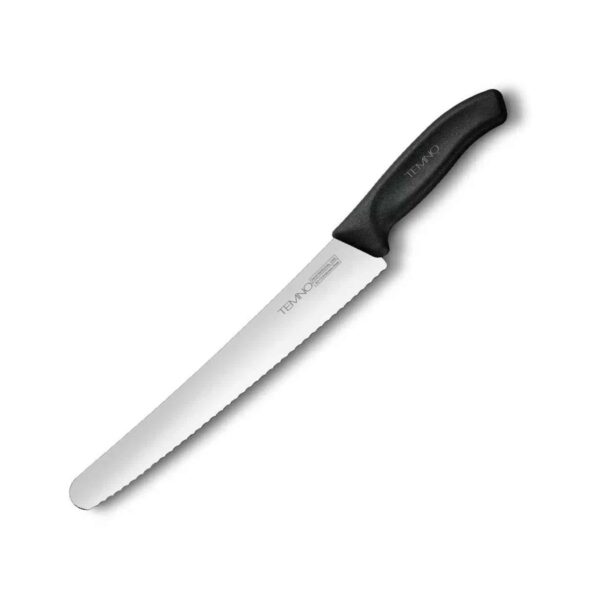
Any business that serves bread, sandwiches or cakes needs a bread knife: its large serrations bite through a crisp crust and leave the crumb intact. The most practical length is 20 to 23 cm, long enough for a whole loaf.
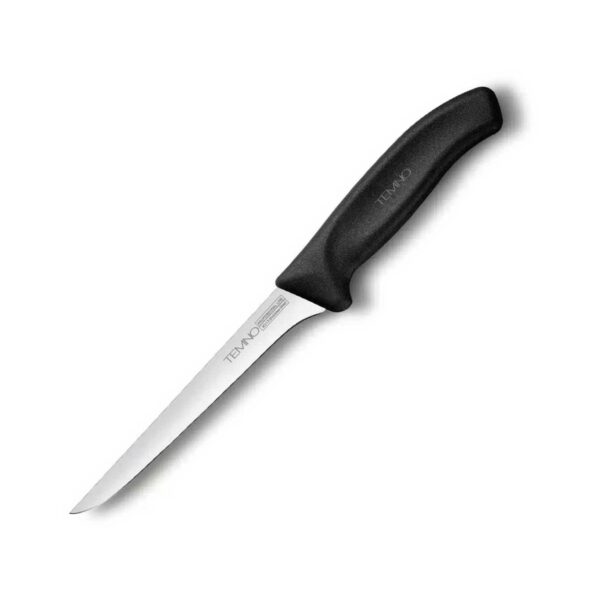
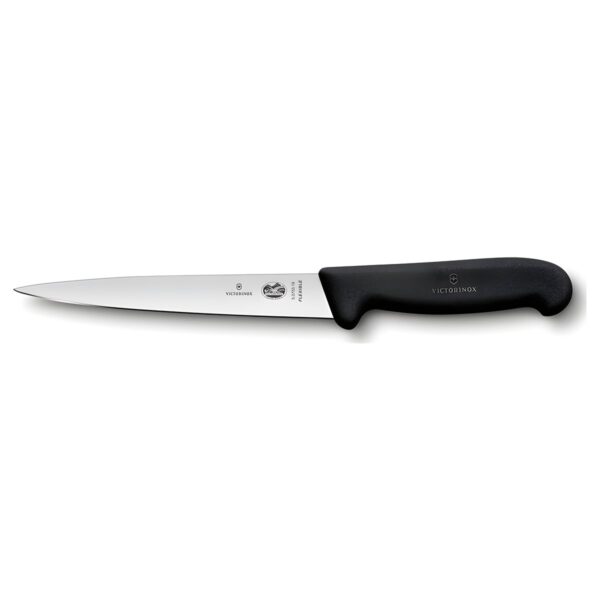
For fish, the filleting knife has a long, thin, flexible blade that follows the backbone and gives clean fillets. For meat, the boning knife is shorter and usually rigid, for precise work around the bone; a flexible blade is also made for poultry.
Bread knives start from €7.87 and filleting and boning knives from €7.99 + VAT.
POPULAR PRODUCTS
Bread & filleting knives
In stock
In stock

In stock
In stock
Cleavers and butcher’s knives
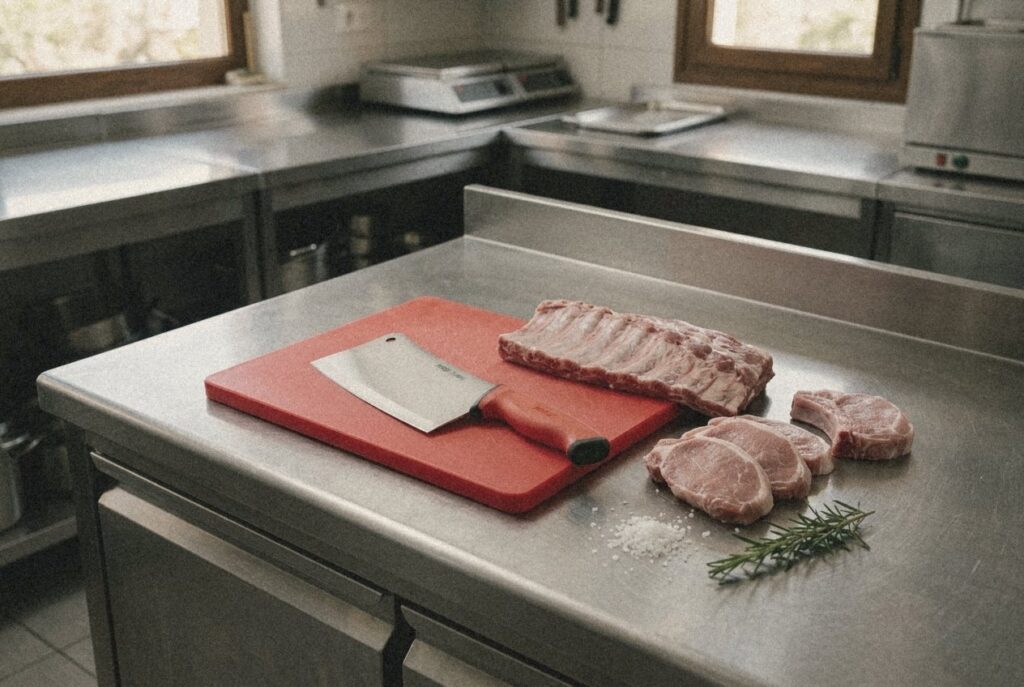
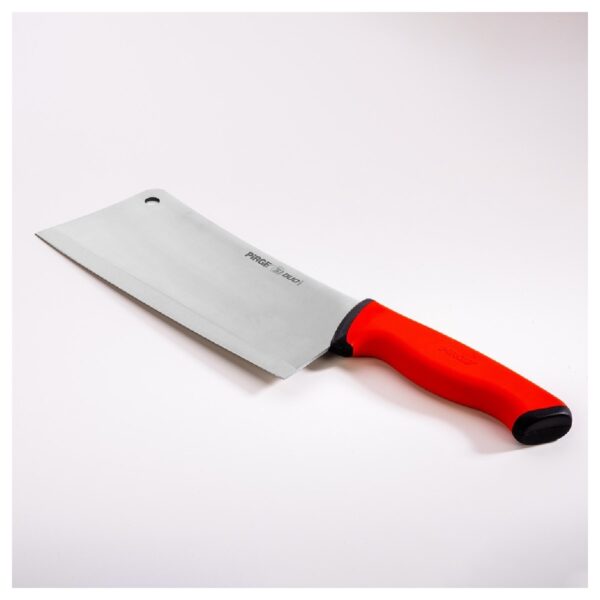
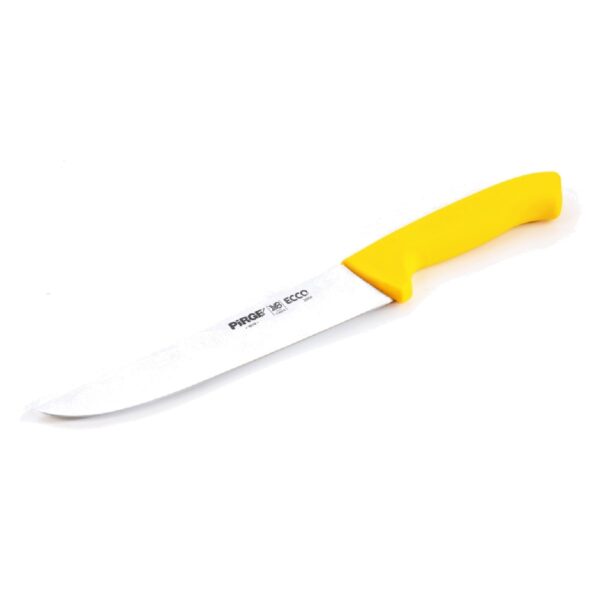
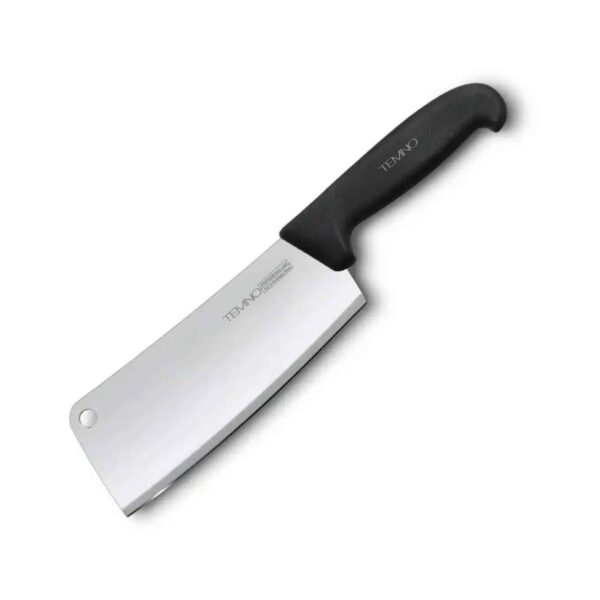
For ribs, bone-in steaks and chicken portions, the cleaver is the tool for the job: its heavy, wide blade goes through bone in a single stroke. For large boneless cuts, the butcher’s knife, with its long, stiff blade, gives clean, straight cuts. If your meat already arrives portioned from the supplier, you probably won’t need them.
They cost from €7.99 to €137.89 + VAT; the TEMNO 20 cm cleaver costs €14.45 + VAT.
POPULAR PRODUCTS
Cleavers & butcher’s knives
In stock
In stock
In stock
In stock
Colour-coded handles: one colour per food group
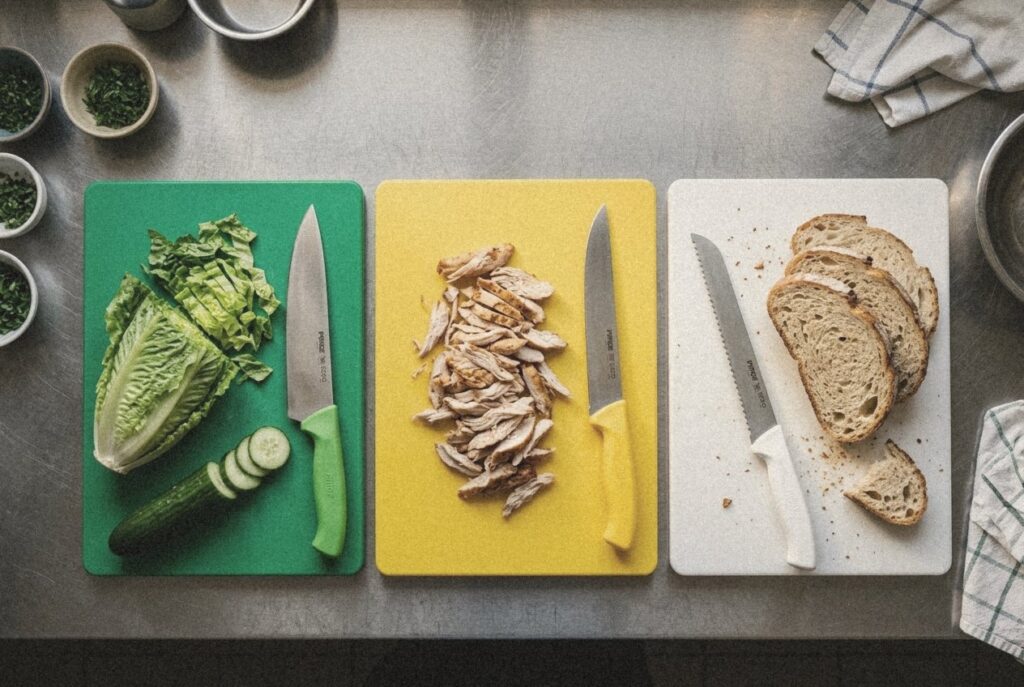
In professional kitchens the handle colour shows which foods each knife is used for. That way the knife that cut raw chicken never touches the salad, and cross-contamination is avoided, as most HACCP food safety plans require. The most widely used code is:
- Red: raw meat and raw poultry
- Blue: raw fish
- Yellow: cooked meat
- Green: salad and fruit
- Brown: vegetables
- White: bread and dairy
The code can vary from kitchen to kitchen; what counts is your own HACCP plan. Pirge makes handles in these colours, and Victorinox offers coloured handles in its Swiss Classic range. With chopping boards in the same colours, the code covers the whole section.
Sharpening and storage
Sharpeners and honing steels
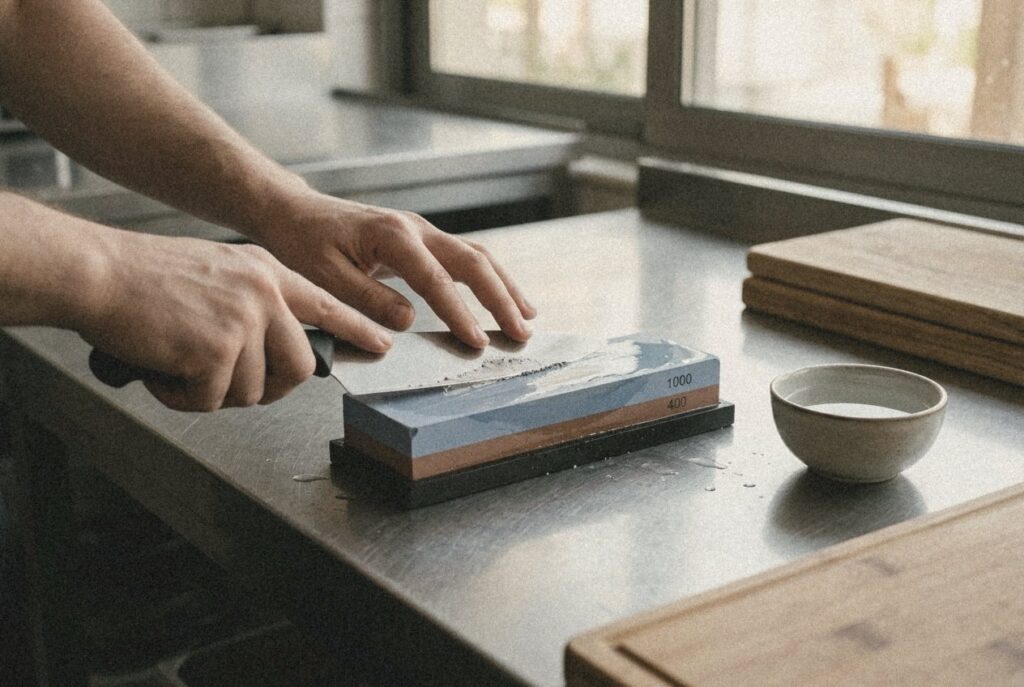
A blunt knife slips on the food and needs more pressure, which makes it more dangerous than a sharp one. To keep the edge ready for service, you need two tools:
- Honing steel. Run the knife along the steel a few times before service and whenever the edge starts to slip. A smooth steel removes no metal; it realigns the edge so it stays sharp for longer. For Japanese knives with hard steel, a ceramic honing rod or a whetstone is the safer choice, as a steel can cause small chips in the edge.
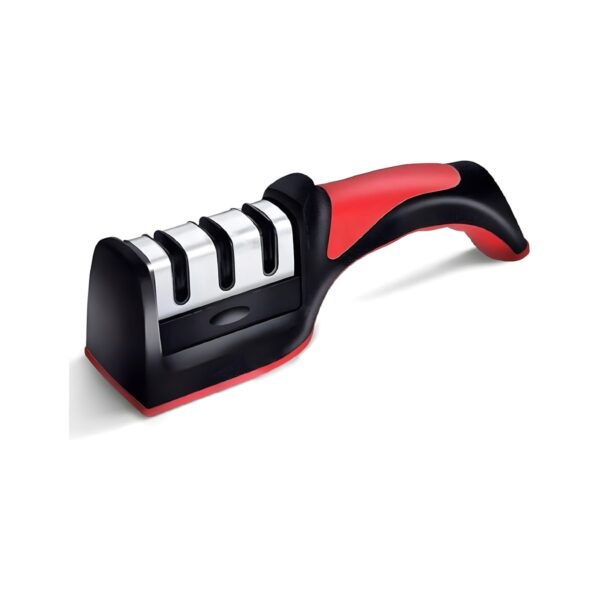
- Whetstone or pull-through sharpener. When honing is no longer enough, a stone puts a new edge on the knife. Combination stones have a coarse side that rebuilds a blunt edge and a fine side that polishes it.
Sharpeners cost from €3.91 to €152.41 + VAT.
POPULAR PRODUCTS
Sharpeners & honing steels
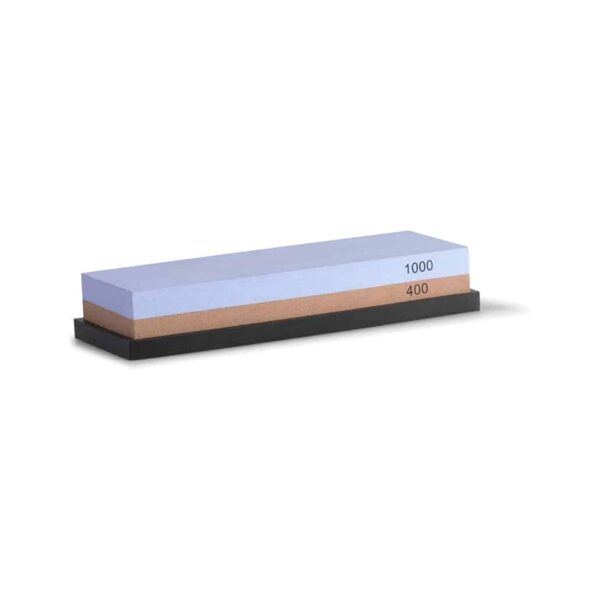
In stock
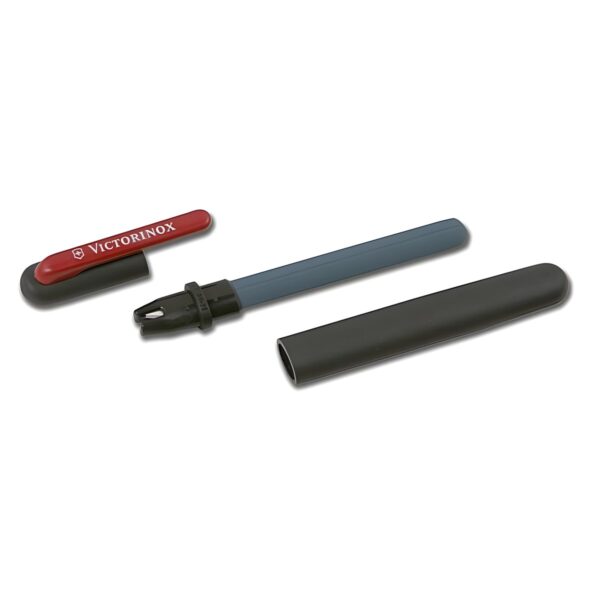
In stock
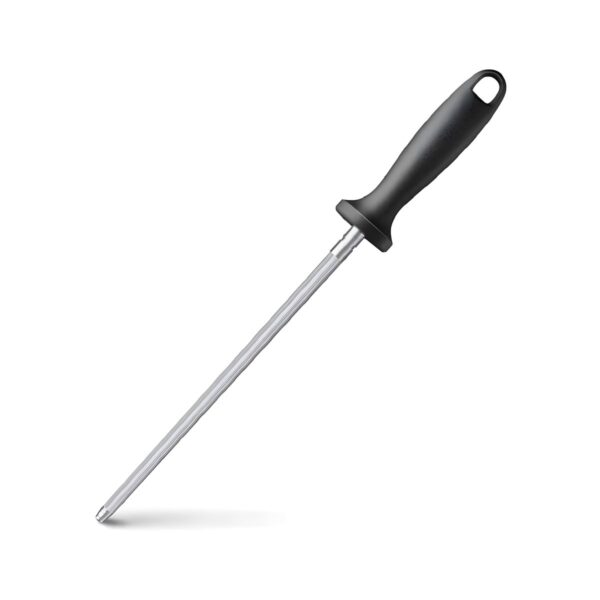
In stock
In stock
Storage: magnetic rack, block, roll
When knives knock against each other in a drawer or the sink, the edge goes blunt quickly. That is why every kitchen needs a fixed storage spot, depending on the space and the way you work:
| Option | How it works | When to choose it |
|---|---|---|
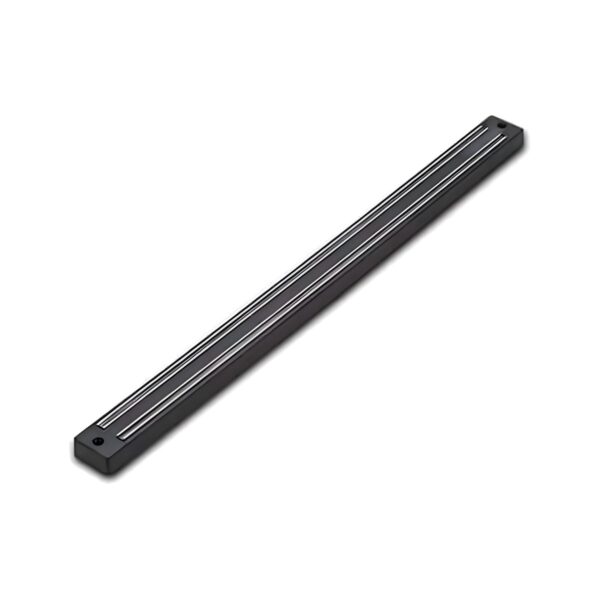
| Wall-mounted magnetic knife rack | Knives hang on the wall and the blade touches nothing. | When you want them within reach, above the bench. |
| Knife block | Knives stand upright in slots. | When there is worktop space and you want the whole set in one place. |
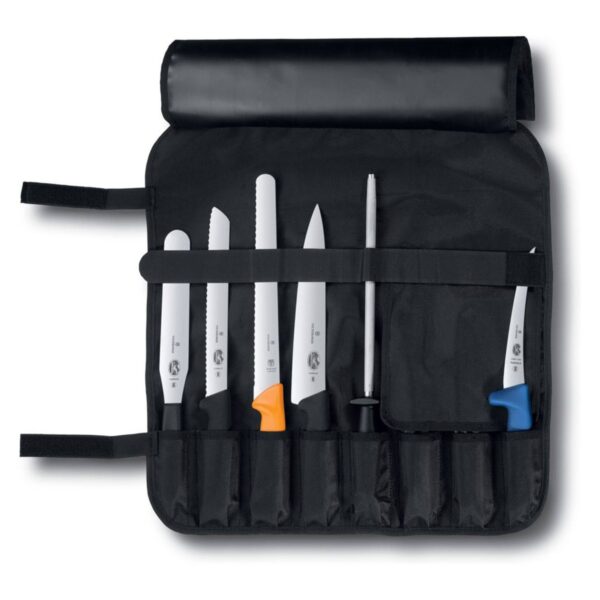
| Knife case or roll | Every knife has its own place and the case closes. | For the cook who carries their own knives. |
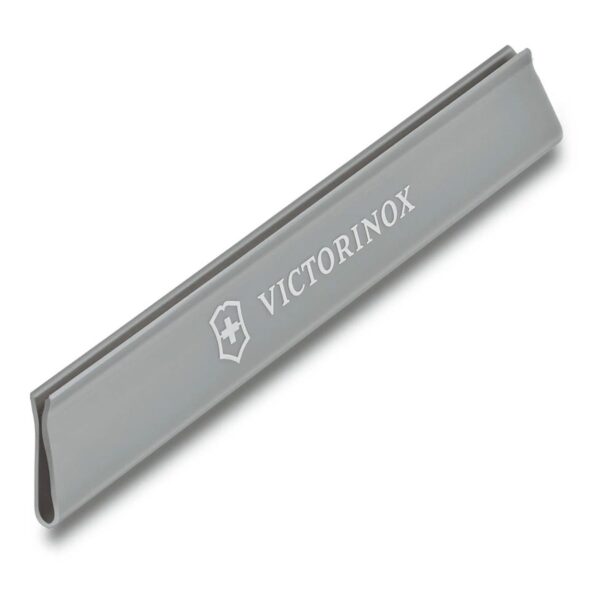
| Blade guard | A cover for each blade. | When knives go in a drawer; it protects both the edge and your hands. |
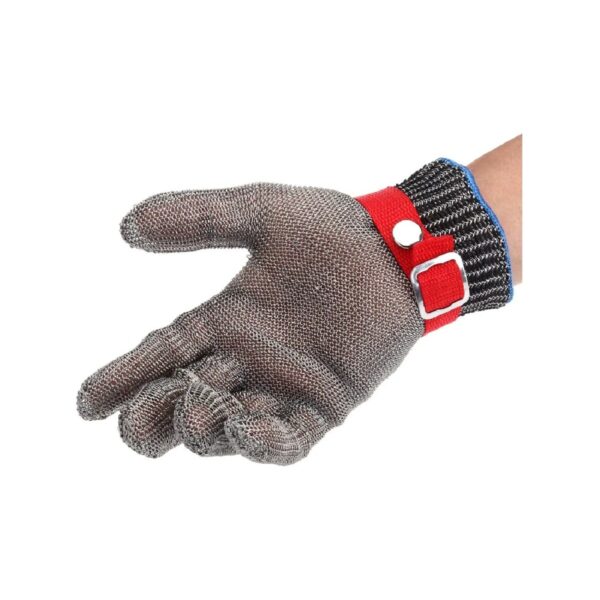
Storage options start from €3.94 + VAT. In the same section of the e-shop you will also find the cut-resistant glove in stainless steel mesh, for shucking oysters and for anyone who is butchering meat for hours.
POPULAR PRODUCTS
Storage & safety
In stock
In stock
In stock
In stock
Which brand for which job
Each brand in our store covers a different job, and the difference starts with the steel and the handle. A useful indicator is steel hardness on the Rockwell scale (HRC): the higher it is, the longer the edge lasts, but the more care it needs around bones and frozen food.
| Brand | Country | Prices (+ VAT) | Steel and handle | Best for |
|---|---|---|---|---|
| TEMNO | Our own brand | from €1.87 | 3Cr13 stainless steel; SEKI PRO range with Japanese shapes (santoku, nakiri). | Everyday prep and spare knives for service, at a budget price. |
| Victorinox | Switzerland, since 1884 | from €3.14 | Stainless steel, non-slip Fibrox handle; most models are dishwasher-safe. Swiss-made with a lifetime guarantee. | Stations that work all day and kitchens that put knives through the dishwasher. The Swiss Classic range has handles in HACCP colours. Our widest range. |
| Pirge | Turkey, since 1976 | from €8.73 | Stainless steel, handles in HACCP colours. | Butchers and grill houses: butcher’s knives and cleavers for bone-in portioning. |
| Kai | Japan, since 1908 | from €13.62 | Japanese steel from Seki; 58 ±1 HRC in the Wasabi range. Wasabi, Shun and Seki Magoroku ranges. | Fine cuts on fish and vegetables. The hard edge lasts longer but needs a whetstone or ceramic rod. |
| Global | Japan, since 1985 | from €6.44 | Cromova 18 stainless steel; one-piece construction, blade and handle in steel, with a textured non-slip handle. | Precision cutting, with a seamless steel body that sits balanced in the hand. For maintenance, a whetstone or ceramic rod. |
What does a basic knife set cost?
A basic knife set for one cook costs €63.17 + VAT (€78.34 incl. VAT) at e-costos.gr. It covers everything a kitchen needs for most cuts, plus a honing steel and a wall-mounted magnetic knife rack. Untick anything you already have and add the rest to your basket with one click.
| Include in the kit | Tool | Pieces | Total + VAT |
|---|---|---|---|
 Chef's knife 19 cm€26.60 + VAT Chef's knife 19 cm€26.60 + VAT | €26.60 | ||
 Santoku 17 cm€7.99 + VAT Santoku 17 cm€7.99 + VAT | €7.99 | ||
 Paring knife 10 cm€1.99 + VAT Paring knife 10 cm€1.99 + VAT | €1.99 | ||
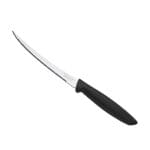 Tomato knife 12.5 cm€1.99 + VAT Tomato knife 12.5 cm€1.99 + VAT | €1.99 | ||
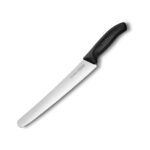 Bread knife 23 cm€7.99 + VAT Bread knife 23 cm€7.99 + VAT | €7.99 | ||
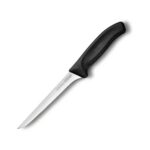 Boning knife 15.5 cm€7.99 + VAT Boning knife 15.5 cm€7.99 + VAT | €7.99 | ||
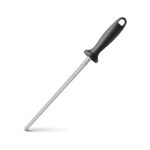 Honing steel 20 cm€3.91 + VAT Honing steel 20 cm€3.91 + VAT | €3.91 | ||
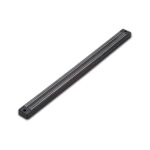 Magnetic knife rack 55 cm€4.71 + VAT Magnetic knife rack 55 cm€4.71 + VAT | €4.71 | ||
| Total | €63.17 | ||
Frequently asked questions
What knives does a professional kitchen need?
A 20 to 23 cm chef’s knife, a santoku or nakiri for vegetables, two or three small knives (paring, tomato), a bread knife, a filleting or boning knife and, if you work with meat on the bone, a cleaver. Add a honing steel or sharpener and a place to store them.
Chef’s knife or santoku?
The chef’s knife is longer, cuts with a rocking motion on the chopping board and is the main knife in the kitchen. The santoku is shorter and flatter and cuts with a downward push, which many cooks find easier for vegetables. Plenty of kitchens have both.
How often should knives be sharpened?
Hone the knife on a steel a few times before every service. Sharpening on a whetstone or sharpener is needed when the knife no longer cuts well even after honing; how often depends on use.
Can knives go in the dishwasher?
Some, such as Victorinox knives with Fibrox handles, are rated dishwasher-safe by the manufacturer. Even so, washing by hand and drying straight away keeps the edge longer, because in the dishwasher the blade knocks against other items. For each model, follow the instructions on its product page.
Why do knives have different coloured handles?
So that each knife is used for one food group only: red for raw meat, blue for raw fish, green for salad. That way a knife that has cut raw meat or fish never touches food served raw, such as salad, and bacteria are not carried from one to the other (cross-contamination).
Where can I see the knives in person in Thessaloniki?
At the Costos Cash & Carry store, 9th km Thessaloniki–Moudania, you can see every brand up close and try the knives in your hand. If you order from e-costos.gr, your order is ready for collection in the store within 20 minutes.
Browse all knives by brand: Victorinox, Global, Kai, TEMNO and Pirge. If you are setting up a kitchen from scratch, read our guide to restaurant kitchen equipment.
Free equipment advice from Costos
If you are opening a kitchen or replacing your knives, the Costos equipment advisor can help you draw up the list: based on your menu and how many people work in the kitchen, they will tell you exactly what you need.
STORE AND EQUIPMENT ADVICE
Costos Cash & Carry
Saturday 09:00–17:00

 Colorful Glasses
 Bormioli
 Vicrila
 Luigi Bormioli
 Pasabahce
 Nude
Nude Rona
Rona Crystal Bohemia
 Onis
Onis Yuk
Yuk Waf
Waf


 Cups/Mugs
 Cast Iron Cookware
 Stainless Steel Serving Utensils
 Cooling/Heating Solutions
 Knives/Tools TEMNO
 Global Knives
 Victorinox Knives/Tools
 Pots/Pans Household
 Sirman Italy Appliances
 Scales
 Housekeeping Trolleys
 Hotel Amenities/Slippers
 Floor Cleaning